
4 min read
Anyone planning to run an online gaming business in the Philippines needs to understand the licensing side before spending money on technology or marketing. This overview explains who regulates the industry, what regulators typically look at, and how to prepare so your application and your platform are ready for scrutiny.
Who regulates online gaming in the Philippines
The Philippine Amusement and Gaming Corporation (PAGCOR) is the main government body that regulates and licenses gaming in the country, including online gaming offered under its authority. Some special economic zones have their own gaming regulators. In 2024 the government ordered offshore gaming operators (POGOs) to shut down, so it is essential to check which licence categories PAGCOR currently offers and who they may serve before you plan anything.
What regulators usually look at
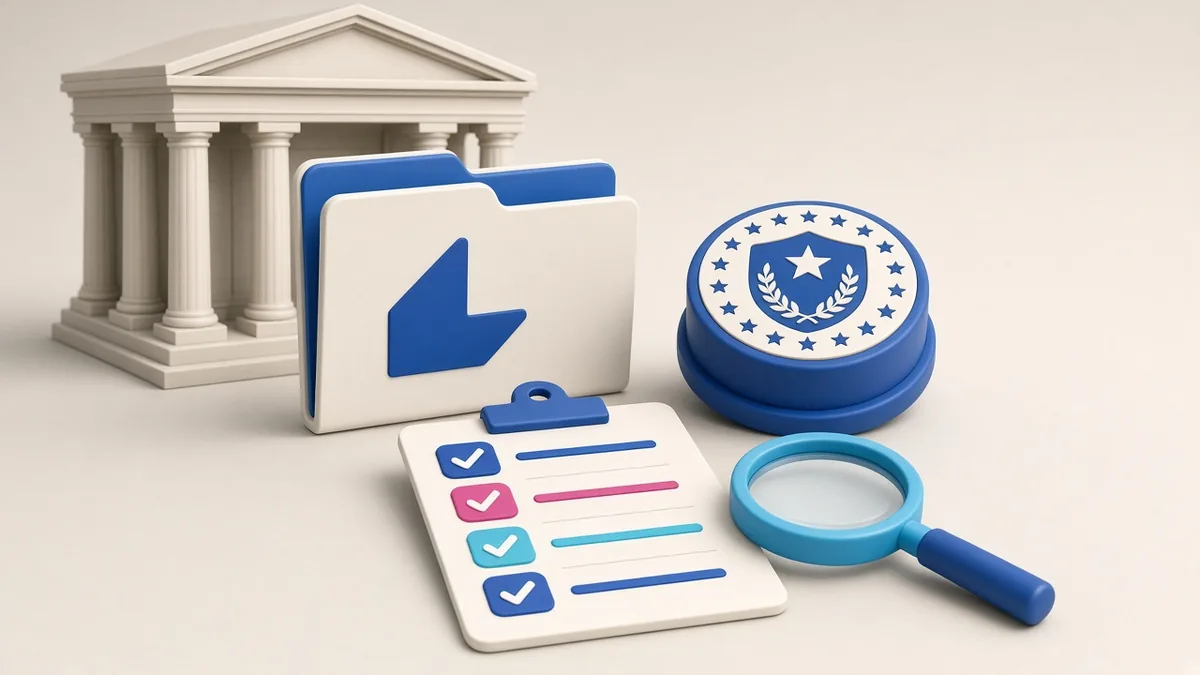
- Who you are: company registration, ownership, directors and the source of your funds.
- How you operate: the games you plan to offer, your platform provider and how games and results are tested.
- How you protect players: age and identity checks, responsible gaming tools and complaint handling.
- How you handle money: anti-money laundering controls, payment providers and record keeping. Internet-based casinos are covered by the Anti-Money Laundering Act.
- How you protect data: security of your systems and compliance with the Data Privacy Act of 2012.
| Area | Evidence regulators may expect |
|---|---|
| Ownership and funds | Corporate documents, beneficial ownership, proof of capital and source of funds |
| Operations | Business plan, game list, platform and testing information |
| Player protection | Age and KYC process, responsible gaming policy, complaints process |
| Money | AML/CTF programme, payment providers, transaction records |
| Data | Security measures, privacy notice, data handling procedures |
Compliance first, then technology
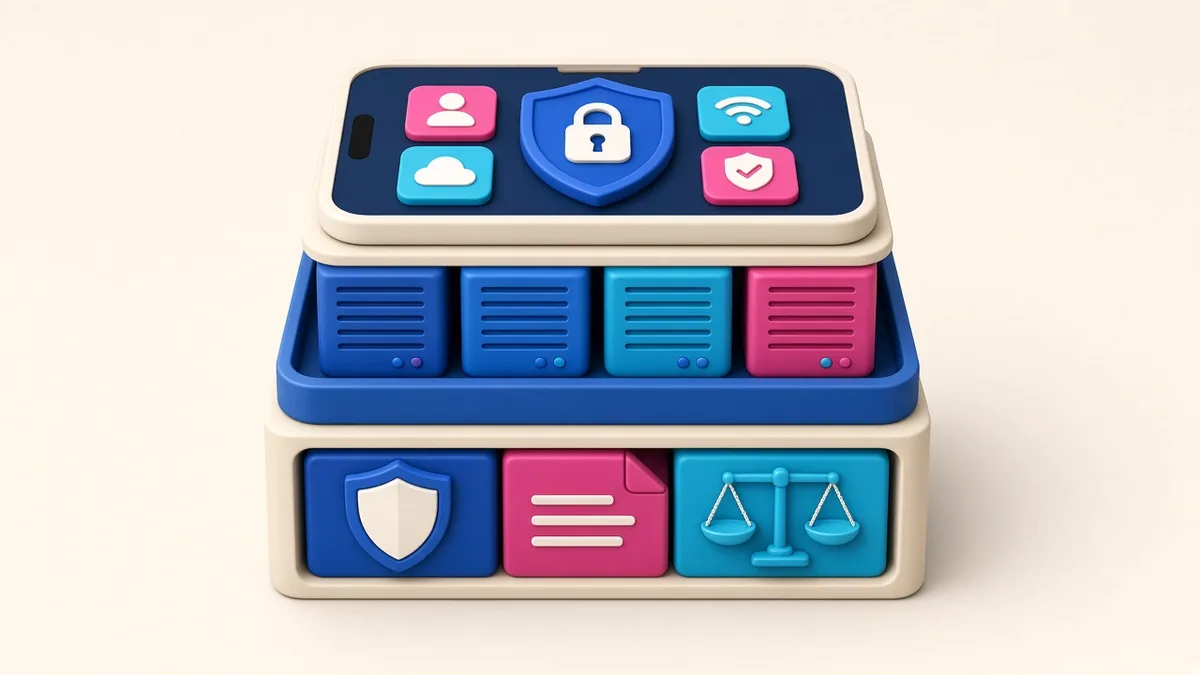
A common mistake is to build or buy a platform first and think about compliance later. It is cheaper to design identity checks, transaction logs, player limits and reporting into the system from the start than to add them after a regulator asks. Write down your compliance requirements early and use them as part of the technical brief.
Compliance-first
Requirements written with legal input, then used to select platform and payment providers.
Technology-first
Platform bought on features and price, then found unable to produce required reports or controls.
In practice, this means your technical brief should list the controls the platform must support—identity verification, age checks, limits and self-exclusion, tamper-resistant logs, role-based back-office access and reports generated from transaction data—before any vendor is chosen.
How to prepare
- Get legal advice on the licence category that fits your business model.
- Prepare corporate documents, ownership details and proof of funds.
- Choose platform and payment providers that can support the regulator’s technical and reporting requirements.
- Draft your policies: KYC/AML, responsible gaming, data privacy and complaints.
- Plan for ongoing obligations such as reporting, audits and renewals, not just the initial application.
Readiness checklist
- Legal adviser engaged and licence category confirmed
- Ownership and source-of-funds documents ready
- Platform and payment providers able to meet reporting requirements
- Policies written to match how you will actually operate
- Compliance officer named
- Calendar for reports, audits and renewals in place
Frequently asked questions
Who issues online gaming licences in the Philippines?
PAGCOR is the main regulator. Some special economic zones have their own regulators. Confirm which authority and licence category applies to your business with a qualified lawyer.
Can offshore gaming operators still get licences?
The government ordered POGOs to shut down in 2024. Check current rules with PAGCOR and your lawyer before planning any business model.
Do online gaming operators have AML obligations?
Yes. Internet-based casinos are covered by the Anti-Money Laundering Act and must maintain KYC, monitoring, reporting and record-keeping controls.
Can a developer guarantee licence approval?
No. Approval is the regulator’s decision. A developer can help prepare systems and documentation that support your application.
This article is general information, not legal advice. Gaming rules in the Philippines change, so always confirm current requirements directly with PAGCOR and a qualified Philippine lawyer before you apply or launch.
