
10 min read
“Grab clone app Philippines” gets typed into search a lot. What people often picture is a ZIP file and an overnight competitor. What they meet in operations is colder: liquidity, incentives, regulation, and support payroll quietly eating the plan.
This piece is about when a Grab-like build is still rational, when a tight niche is the smarter bet, and how to budget before you sign something you will regret in month four.
What a clone really is—and what it leaves out
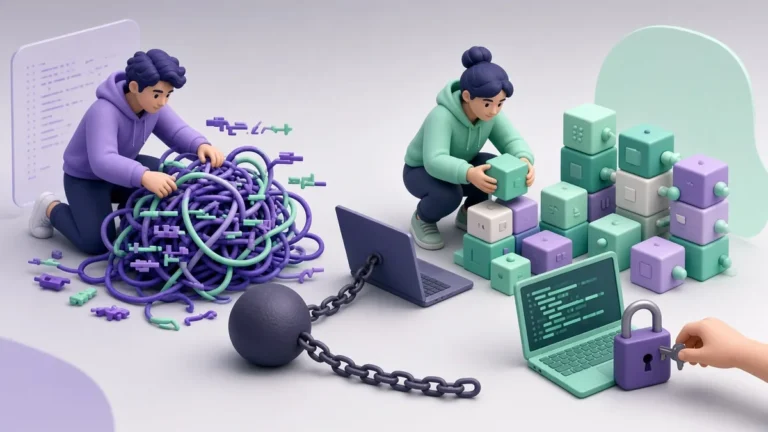
A visual clone copies screens; a business clone copies liquidity, rider supply, merchant adoption, and policy sophistication. You cannot purchase those in a ZIP file. If your plan assumes instant driver density, you will stall at cold start unless you subsidize supply or start with captive fleets (corporate shuttles, hospital contracts, campus loops).
What the template does not include
The usual failure mode for a “Grab clone” is not the design—it is cold start, rider incentives, verification, and how you handle refunds and reconciliation. Before you run national ads, you need liquidity and support in at least one corridor. If you run promos, someone must own finance and incidents—not only engineering.
Why copying features without copying operations fails
Incumbents have years of policy tuning, fraud history, and support macros. Your startup cannot import that tacit knowledge through screenshots. Compete where you can be sharper: niche SLAs, better partner service, or a corridor you can dominate.
You are building infrastructure
Mobility products are infrastructure with a consumer face. Respect the responsibility: outages strand people; payout delays harm families. Build soberly.
The cold-start problem and supply incentives
Dispatch algorithms matter only when there are enough drivers and orders to match. Early-stage teams should model rider acquisition, churn, and earnings transparency—because churn destroys ETAs and reviews. Read Grab-like app cost alongside ops planning, not in isolation.
Supply-side incentives: what actually moves drivers
Drivers optimize for earnings per hour, fairness of assignments, and support that resolves disputes without endless tickets. If your “clone” ignores earnings transparency, you will churn supply before algorithms matter. Build earnings history, clear payout schedules, and dispute workflows early—not as phase three polish.
In the Philippines, cash flow timing matters. Weekly payouts beat monthly promises for gig workers who have daily expenses. If your payment rails cannot support predictable payouts, your incentives will leak no matter how clever your UI is.
Incentives and gamification
Leaderboards and quests can help early supply acquisition, but they can also incentivize the wrong behavior—speed over safety, acceptance over quality. If you gamify, instrument outcomes: complaints, cancellations, and safety incidents—not only trips completed.
Review incentive structures monthly. The market shifts; your promos should shift with it.
Driver communication
In-app education reduces mistakes: how to contact riders, how to document issues, how to escalate safety. Short videos beat long policy PDFs for gig workers on the move.


Regulation, insurance and trust
Regulatory and insurance realities
Transport touches operator licensing, vehicle categories, and passenger safety obligations. Product flows must support document verification and audit trails. Your counsel defines requirements; engineering implements them—never the reverse.
Demand-side trust: reviews, safety, and social risk
Users compare new entrants to incumbents instantly. If your safety flows feel lighter, you must compensate with faster human support and clearer escalation paths. “We are new” is not a strategy users accept when they are standing alone at night.
Scenario planning: rain, floods, and city emergencies
Philippine cities face weather shocks that crush supply and spike demand simultaneously. Your policies should define when to pause matching, how to communicate delays, and how to protect riders from unsafe routes. These scenarios belong in v1 playbooks—not improvised in group chats.
Why a niche wedge beats a generalist clone
When a niche beats a generalist clone
Corporate ride programs, medical transfers, tourism shuttles, and campus safety rides can win with smaller networks and clearer SLAs. Pair strategy with taxi booking app like Grab Philippines service scope and realistic phasing.
Stop selling a “clone,” sell a wedge
If your pitch is “we are Grab but smaller,” you will lose. If your pitch is “we are the mobility partner for corporate shuttles in Davao,” you can win. The product scope becomes smaller, the go-to-market becomes clearer, and your unit economics become testable.
Build the product that matches your wedge, then publish content that matches search intent: cost breakdowns, comparisons, and city landing pages.
Tourism and events
Events create spikes. Pre-position supply, set surge caps users understand, and staff support for predictable peaks. A concert night handled well generates word-of-mouth; a concert night mishandled generates memes.
Corporate accounts
B2B contracts can stabilize demand and reduce CAC volatility. They also require invoicing, credit limits, and dispute handling that consumer apps postpone. If corporate is your wedge, bake billing workflows early.
Scope, vendors and technology
Product scope: what belongs in v1 vs v2
V1 should prove a repeatable trip with acceptable cancellations and refunds. V2 can add loyalty, subscriptions, or advanced matching—after you see cohort curves. Teams that ship “full parity” features before proving liquidity usually ship late and bleed runway.
Vendor red flags
Fixed “clone” pricing without discovery, no staging environment plan, no reconciliation story for payments, and no maintenance path—these predict painful rewrites. Demand milestones tied to demoable slices, not slide decks.
Technology debt signals
Monolithic scripts without tests, without staging environments, and without migration plans become expensive to patch. Ask how dependencies update quarterly and how security patches flow to production.
Technical monitoring: what to alert on
Payment failure spikes, match latency increases, crash rates on map screens, and OTP delivery delays. Alerts should route to on-call rotations during promos—not to a founder’s personal inbox forever.
Long-term platform hygiene
Quarterly dependency updates, penetration tests before major releases, and database backups tested via restores. Boring reliability is a competitive advantage when incumbents stumble publicly.
| Version 1 (launch) | Version 2 (after traction) |
|---|---|
| One service in one area | More services and areas |
| Booking, matching, tracking, payment | Scheduled rides, corporate accounts |
| Basic driver onboarding and support | Incentive programs and gamification |
| Admin dashboard and reports | Advanced analytics and pricing experiments |
| Safety basics: verified drivers, trip sharing, SOS | Expanded safety and insurance programs |
Go-to-market, pricing and SEO
Marketing and SEO: how clones get discovered (or not)
App stores and search engines reward differentiated positioning. If your listing reads “Grab clone,” you signal commodity risk. Instead, position the problem you solve: corporate shuttles, medical transfers, or tourism routes—then link to educational content like cost breakdowns and city pages.
Paid acquisition works when unit economics allow it. Early on, partnerships with campuses, hotels, clinics, and corporate HR teams can create density that makes matching feasible. Density fixes ETAs; ads alone do not.
Pricing psychology and fairness
Users accept surge when it is explained as supply protection. They reject surge when it feels arbitrary. Product copy and push notifications should describe the “why” in one sentence—no jargon.
Your first ninety days after choosing a wedge
The first ninety days after you choose a wedge
Days 1–30: validate supply acquisition channels and measure real cancellation reasons—not assumed ones. Build a lightweight CRM for partners and drivers so relationships do not live only in chat apps.
Days 31–60: tighten matching rules and refund policies based on evidence. Improve in-app education for riders and passengers. Launch a weekly metrics review with owners.
Days 61–90: decide what belongs in software v1.5 based on retention curves. If retention is weak, fix ops and policy before funding big feature bets.
Throughout: keep legal and finance aligned on payouts, tax reporting, and incident handling. Mobility touches real-world harm—treat governance as part of product.
What not to do
Do not launch nationwide promos before corridor liquidity works. Do not hide surge behind misleading UI. Do not let support become a founder-only function beyond early pilots.
Do not pretend a script replaces operations. Software amplifies discipline; it does not create discipline.
Weekly metrics review agenda
Start with liquidity: trips per hour in your focus zone. Then cancellations by reason. Then refunds by category. Then support backlog age. End with a single action item per metric owner. This rhythm prevents metrics from becoming entertainment.
The “boring” work that saves launches
Runbooks, on-call rotations, and incident templates feel uncool until launch weekend. Invest in boring reliability—your users will notice without knowing why.
Stakeholder map for mobility launches
Identify who owns rider onboarding, who owns passenger support, who owns finance reconciliation, and who owns incident response. Ambiguous ownership creates gaps that show up as one-star reviews. Document RACI before you scale marketing.
Also identify external dependencies: map providers, payment acquirers, SMS aggregators. Each dependency needs an owner and an escalation path when APIs degrade.
Vocabulary for your first mobility standup
Utilization, match rate, cancellation split (rider vs passenger vs system), and net promoter by cohort matter more than raw download counts. Standardize definitions so your team debates reality, not labels.
Investors and stakeholders
Investor diligence questions you should preempt
Be ready to explain cold-start strategy, subsidy plan, rider acquisition channels, and how you measure liquidity in a corridor. If your answers are only product answers, you will look naive—because mobility is an economics business with a software interface.
What to put in your data room later
Architecture overview, incident postmortems, security practices, and vendor contracts for critical integrations. Start collecting early—scrambling during diligence wastes time you need for execution.
Build your narrative with evidence
Write down your corridor hypothesis, your subsidy limits, and the metric that proves liquidity. If you cannot write it clearly, you are not ready to fund a big build—regardless of what a sales rep promised.
Make your pitch concrete
Replace adjectives with numbers: average pickup time, percentage of trips completed without support, refund rate, and repeat usage by cohort. Concrete pitches attract serious partners; vague pitches attract vague outcomes.
The bottom line
A Grab-inspired product can succeed—usually as a focused mobility business with disciplined ops, not as a thin copy of a super-app. Invest in supply-side truth first; software amplifies what already works.
If you want help turning a credible wedge into a roadmap, bring your corridor map and economics assumptions. We will tell you what is realistic in software—and what must be solved in operations first.
Clone searches are a symptom of ambition. Channel that ambition into a wedge you can defend with operations and economics—then let software accelerate what already works.
If you want a partner that will not sell you a fantasy clone, but will ship a wedge MVP with disciplined engineering, talk to ServicioPro. Bring your numbers, your corridor, and your deal-breakers.
Related reading
Pair this article with trust and safety and cost breakdowns so your site earns topical authority while readers move toward a service conversation.
Frequently asked questions
Is it worth building a Grab-like app in the Philippines?
It can be, if you target a niche you can serve better than generalists and can fund operations—driver supply, support and safety—not just the build.
Can I buy a clone script and launch quickly?
A script can speed up the software, but it does not solve driver supply, compliance, support or trust. Check ownership, customisation limits and updates before buying.
What is the biggest risk?
The cold-start problem: not enough drivers and riders in the same area at the same time. Plan incentives and a dense launch area before you spend on marketing.