
4 min read
Correction: an earlier version of this article stated a target of 50% clean energy by 2030. The Philippines’ National Renewable Energy Program sets a goal of a 35% share of renewable energy in the power generation mix by 2030 and 50% by 2040. We have updated this article accordingly.
The Philippines aims for renewables to supply 35% of power generation by 2030 and 50% by 2040 under the Department of Energy’s National Renewable Energy Program. Here is what that plan involves, why it matters for businesses and how energy companies can use digital tools to grow.
The Philippines’ renewable energy goals
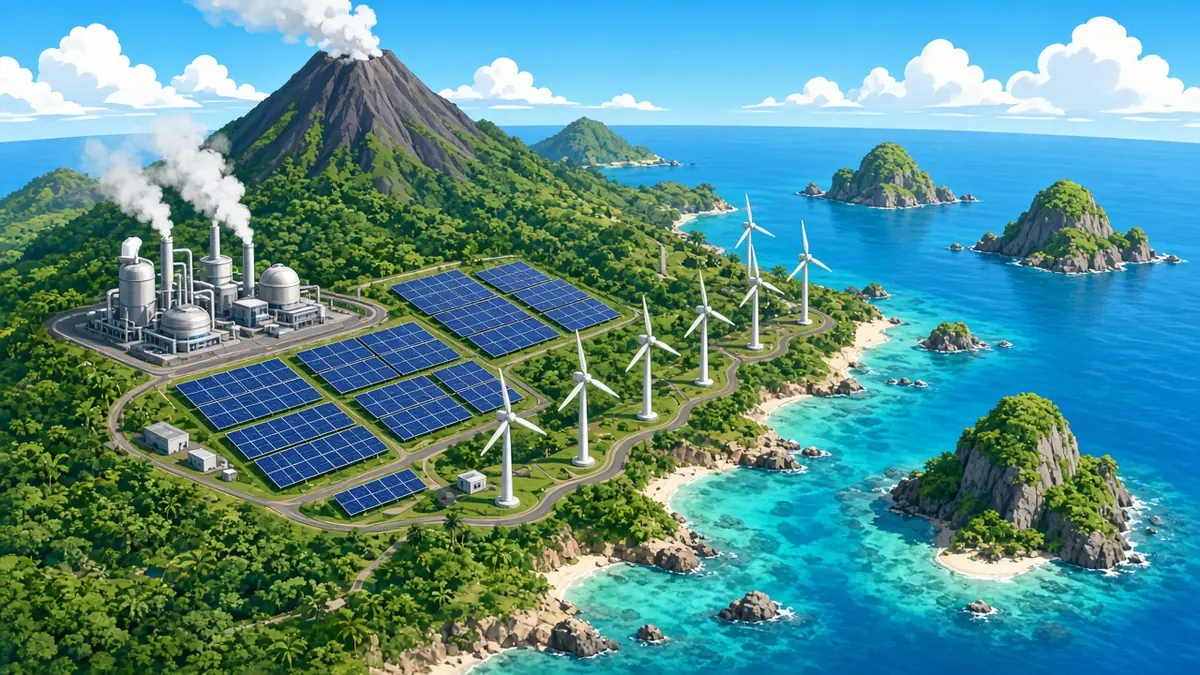
The Department of Energy’s National Renewable Energy Program aims to raise the share of renewables such as solar, wind, hydro and geothermal in the country’s power generation. Opening the sector to more investment and the growth of solar and offshore wind projects are part of the plan.
| Milestone | Renewable share of generation mix |
|---|---|
| 2030 | 35% |
| 2040 | 50% |
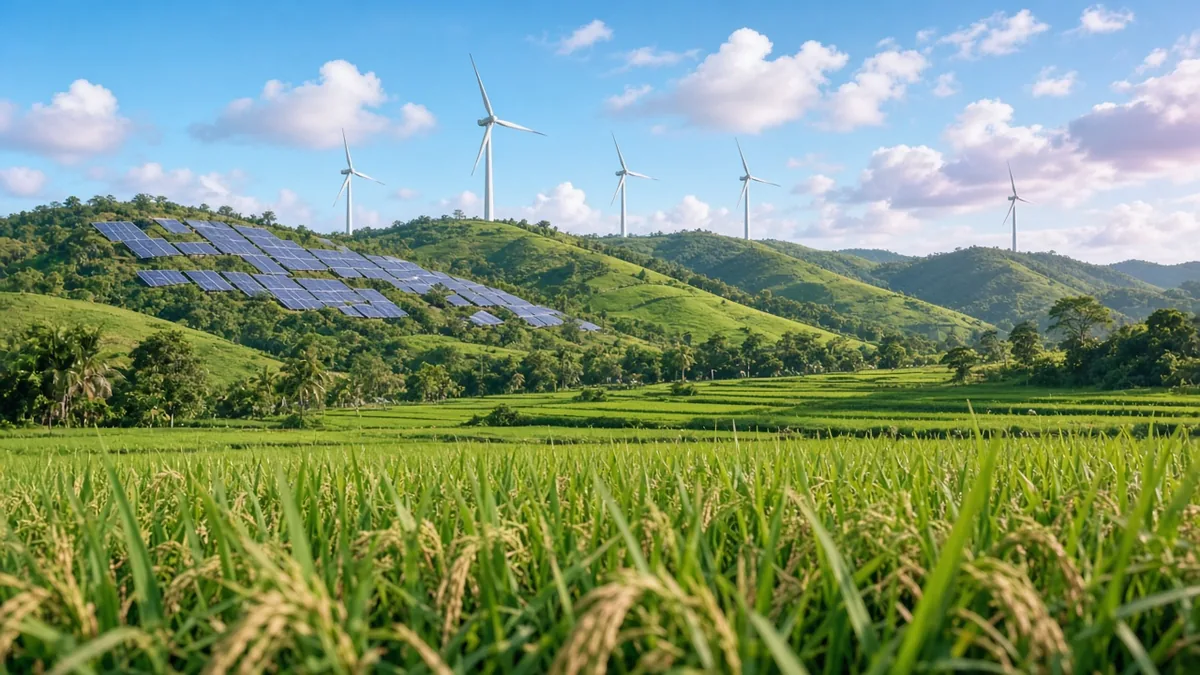
The policy framework rests on the Renewable Energy Act of 2008 (Republic Act No. 9513), which created incentives for renewable projects and programmes such as net metering. In 2022, rules were changed to allow full foreign ownership of many renewable energy projects, and the government has run green energy auctions to bring new capacity online.
Why this matters for businesses
- Energy costs: electricity prices are a major cost for many businesses. Rooftop solar and energy efficiency can help control them.
- Customer expectations: more customers and partners want to work with businesses that manage their environmental impact.
- New opportunities: installers, suppliers and service providers in the energy sector need websites, apps and booking systems to reach customers.
Options for businesses that use a lot of power
Efficiency first
LED lighting, efficient air-conditioning and equipment schedules often cut bills with modest investment.
Rooftop solar
Under net metering, eligible small systems can export excess power to the distribution utility for bill credits.
Get proper advice
Compare quotes from accredited installers and check your distribution utility’s requirements before signing.
Digital tools for energy businesses
Solar installers and energy service companies can use online quote forms, appointment booking, project tracking portals and mobile apps for field teams. These tools help handle more leads and keep customers informed.
| Tool | What it does | Who benefits |
|---|---|---|
| Online quote form | Collects bill amount, location and roof details | Sales team and customers |
| Appointment booking | Schedules site surveys without back-and-forth calls | Customers and surveyors |
| Project portal | Shows permit, installation and net-metering status | Customers |
| Field app | Checklists, photos and sign-off on site | Installation crews |
| Monitoring dashboard | Displays system output and alerts | Customers and support teams |
Checklist for an energy business website
- Explain services, coverage areas and accreditation clearly.
- Show real project photos and case studies, with customer permission.
- Offer a simple quote request that works well on phones.
- Answer common questions about permits, net metering and maintenance.
- Make it easy to call, message or book a site visit.
Frequently asked questions
Is the Philippine target 50% renewable energy by 2030?
No. The National Renewable Energy Program targets a 35% renewable share by 2030 and 50% by 2040.
Which renewables are part of the plan?
Solar, wind (including offshore wind), hydro and geothermal are central to the programme.
Can a small business install rooftop solar?
Yes. Many do, and eligible small systems may qualify for net metering. Get quotes from accredited installers and check your distribution utility’s process.
Where can I find official updates?
The Department of Energy publishes the latest targets, programmes and auction announcements.
