

5 min read
A credible ride-hailing MVP rollout in the Philippines sequences geography, supply, and support—not billboards. Founders should treat each city as a product launch with its own liquidity constraints, policy nuances, and operational staffing.
Ride-hailing in the Philippines also comes with regulatory and safety responsibilities that differ by type of service and locality, so the rollout plan below assumes you will confirm requirements with the relevant agencies and your legal adviser before each launch.
Why launch corridor by corridor
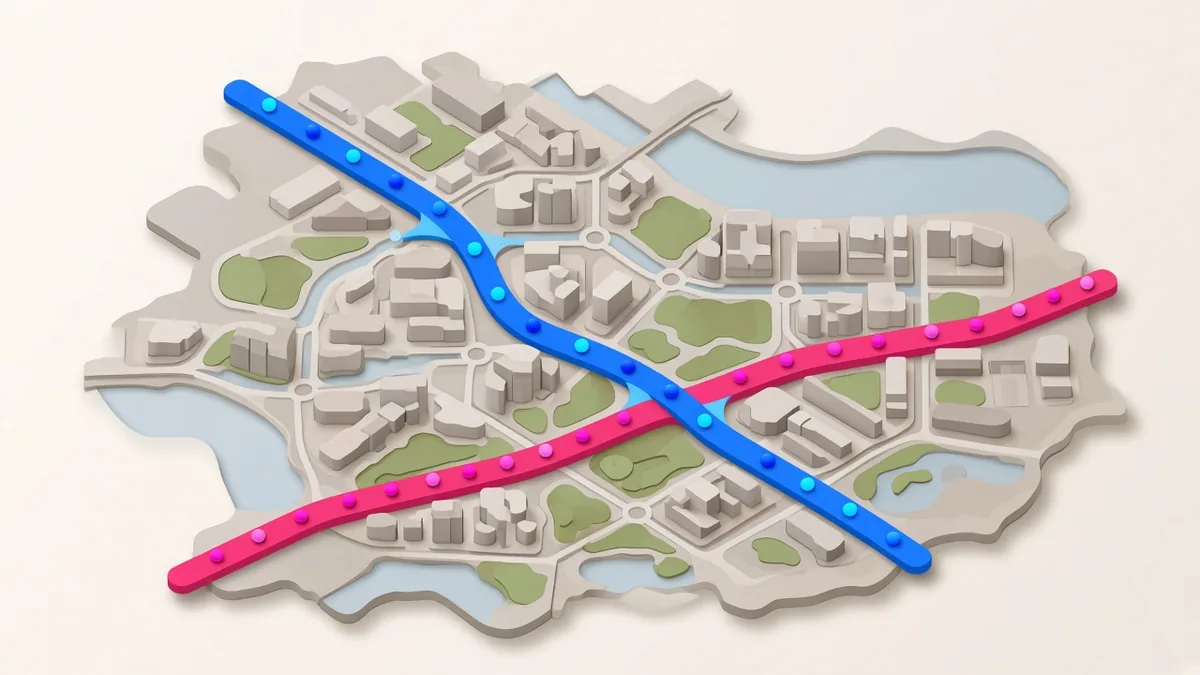
A corridor is a short list of high-demand routes—for example between residential areas, business districts, schools and transport hubs—where riders request trips at predictable times. Concentrating drivers there keeps waiting times short, which is what first-time riders judge you on.
Why one national launch usually fails
Liquidity is local. Without enough drivers and trips in a zone, matching algorithms cannot create good ETAs—users churn before you learn.
Pick launch corridors with density
CBD loops, airport-adjacent routes, and university areas often produce repeatable trips. Document why your corridor should work—then measure if reality agrees.
Corridor launch checklist
Before flipping marketing on, verify match rates, median pickup times, and cancellation reasons for two consecutive weeks in target zones.
Staff support to predicted trip volume—ratio targets beat gut feel.
Pre-stage incident comms for rain, holidays, and major events—silence feels like neglect.
One city, one playbook
Run a weekly war room per corridor: match rate, pickup delay, cancel reasons, safety—each with an owner and a deadline. Do not buy national ads before liquidity is stable; for rain and holidays, have surge and ETA templates ready. Scale supply and support together with trips.
Rollout is a marathon: stabilize, learn, then widen—not the other way around.
Cold start: supply pacing and driver quality
Subsidies can bootstrap liquidity but destroy unit economics if untargeted. Measure incremental trips, not vanity signups.
Driver supply pacing
Balance incentives so you do not attract trip-chasers who harm quality. Pair incentives with rating floors and progressive coaching.
Track supply hours by zone—underserved zones need targeted recruitment, not citywide bonuses.
Driver quality programs
Training, ratings, and progressive discipline protect brand and safety. Cheap supply that generates incidents is expensive.
Driver communications
Push notifications for incentives must be timely and truthful. Mis-timed pushes create distrust and churn.
Policy and compliance by locality
Requirements can differ by type of service and by local government. Keep a simple register per city of permits, insurance and reporting obligations, with renewal dates and owners.
Work with counsel on transport requirements. Product must support verification and audit trails—see taxi booking app like Grab.
Regulatory monitoring
Assign someone to track policy changes affecting transport. Product and legal should review together quarterly.

Operations under stress: support, weather and traffic
Support load scales with trips
Plan agent staffing and macros before marketing spikes. Chat backlog becomes churn quickly.
Weather and traffic shocks
Pre-write communications and surge policies users can understand. Surprise surges feel predatory—even when mathematically necessary.
Rider UX under stress
Surge transparency, alternative pickup points, and honest ETAs outperform fake precision—especially during storms.
Offer accessibility options where feasible; inclusivity expands addressable demand.
Measuring and expanding
Corridor KPI dashboard
Track match rate, median pickup time, cancellation split, and safety incidents by zone. Review weekly with ops leads—data beats hallway opinions.
Data-driven expansion gates
Define numeric gates: retention, incident rate, refund rate, and NPS by corridor. Expand only when gates hold—otherwise you scale problems.
Expansion criteria
Only expand when retention, refund rates, and ETA accuracy meet thresholds in the current zone—otherwise you clone failure.
City expansion budget
Model local marketing, onboarding staff, and subsidy needs per city. Expansion without budget clarity burns runway.
Multi-city operations
Assign city leads with P&L literacy—local nuance matters for transport policy and staffing.
Share playbooks across cities but avoid one-size policies that ignore geography.
| Expansion gate | Why it matters |
|---|---|
| Stable rider wait times in launch corridors | Riders return when pickups are quick |
| Driver earnings at target without heavy subsidy | Supply stays without burning cash |
| Support backlog under control | Growth will not overwhelm the team |
| Compliance register complete for the next city | No surprise shutdowns after launch |
The bottom line
Roll out like an operator: measure, stabilize, then widen—never the reverse.
Rollouts succeed when liquidity, compliance, and support move together—measure weekly, expand cautiously.
Frequently asked questions
Should a new ride-hailing app launch nationwide?
Usually not. Launching in dense corridors in one city lets you balance supply and demand and learn before spending on expansion.
How many drivers do I need at launch?
Enough to keep waiting times short in your launch corridors at peak hours. Start small and pace driver onboarding with real demand.
What metrics decide when to expand?
Rider wait times, completion and cancellation rates, driver earnings and retention, support backlog and contribution margin per trip.
