8 min read
News date: September 23–24, 2026 (block and restoration) and October 6–7, 2026 (follow-up meeting).
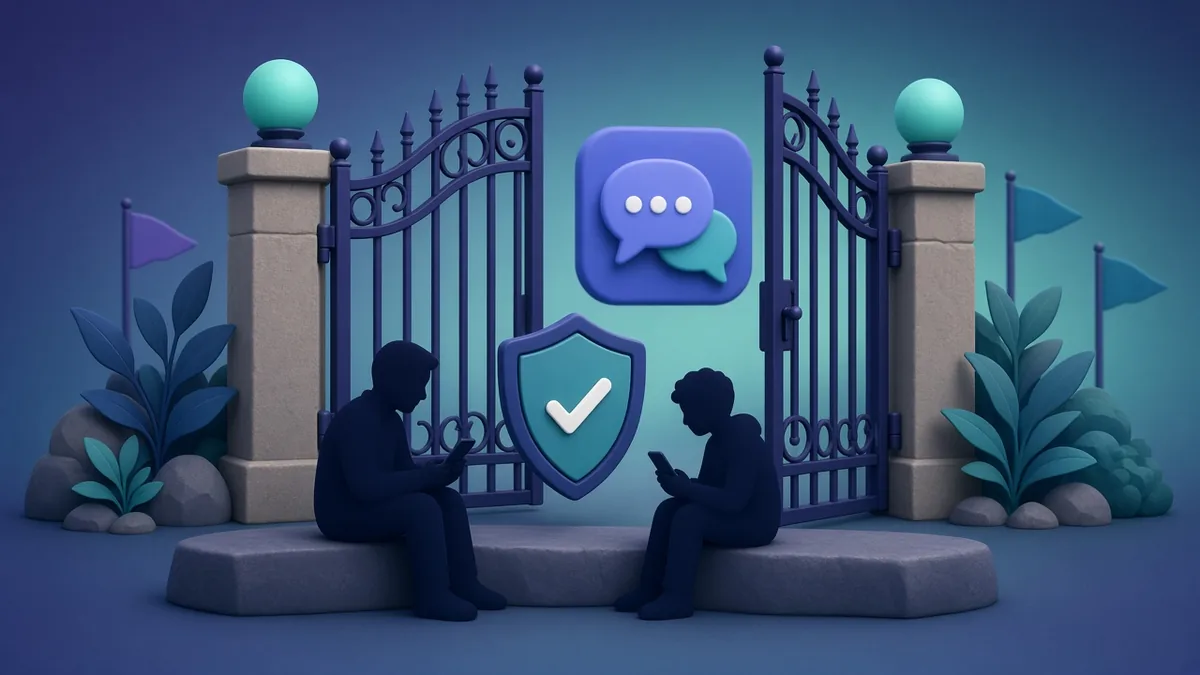
For less than a day in late September 2026, Discord was blocked in the Philippines. The Cybercrime Investigation and Coordinating Center (CICC) ordered the block on September 23 after giving the platform 24 hours to establish a Philippine presence or designate a local representative who could coordinate with authorities. On September 24, the Department of Information and Communications Technology (DICT) lifted the restriction after Discord agreed to strengthen child-protection measures and cooperate with Philippine authorities. Then, on the evening of Tuesday, October 6, DICT Secretary Henry Aguda led a virtual high-level meeting with Discord representatives on further cooperation, according to the Philippine Daily Inquirer.
The episode was brief, but it sends a clear signal to every company that runs an online platform used by Filipinos: the government expects a reachable local contact, working safety tools and fast cooperation on harmful content. This article covers the facts and what they mean for Philippine businesses that build apps, communities and online services.
What happened, step by step
- Concerns raised: authorities cited concerns over nihilistic violent extremism (NVE) activity, child grooming and other online threats on the platform, according to the Inquirer.
- September 23: the CICC ordered the blocking of Discord after the platform did not meet a 24-hour demand to establish a Philippine presence or name a local representative.
- September 24: the DICT lifted the restriction after Discord agreed to strengthen child-protection measures and cooperate with Philippine authorities. The Manila Times also reported that access was restored after the company committed to enhanced child-protection safeguards.
- Commitments: the Inquirer reported that Discord committed to a direct “green lane” for government requests about harmful content and the identification of threat actors, and the CICC said Discord would designate points of contact and improve coordination with Philippine authorities.
- October 6: Aguda led a virtual meeting with Discord on how the company could help authorities identify and track malicious actors. The DICT said the officials also discussed measures to monitor and address nihilistic violent extremists on the platform, “with the goal of strengthening efforts to protect young people and improve online safety.”
A shift from confrontation to cooperation
The Inquirer described the October meeting as a shift from the confrontation of September, less than two weeks after the block. Aguda thanked Discord for its cooperation and commitment to working with the government against online violence. The quick reversal shows that the government’s main goal was not to keep the platform blocked, but to secure a reliable channel for reporting and acting on harmful content.
The case also comes at a busy time for the DICT. On October 7, Malacañang said Aguda would remain as DICT secretary following reports that he had resigned, and Aguda said he remained focused on his duties, including the Philippines’ role as ASEAN chair this year.
Why governments are asking for local representatives
When a platform has no local presence, authorities may struggle to reach the right person quickly during an emergency, such as a threat of violence or a child at risk. Asking for a local representative or designated contact point is a way to make sure requests reach someone who can act. Many countries now expect large platforms to provide this kind of contact.
For users, the episode was a reminder that a service they rely on daily can become unavailable at short notice. Gamers, study groups, online communities and small businesses that run their customer communities on Discord were cut off for part of a day.
What this means for Philippine businesses
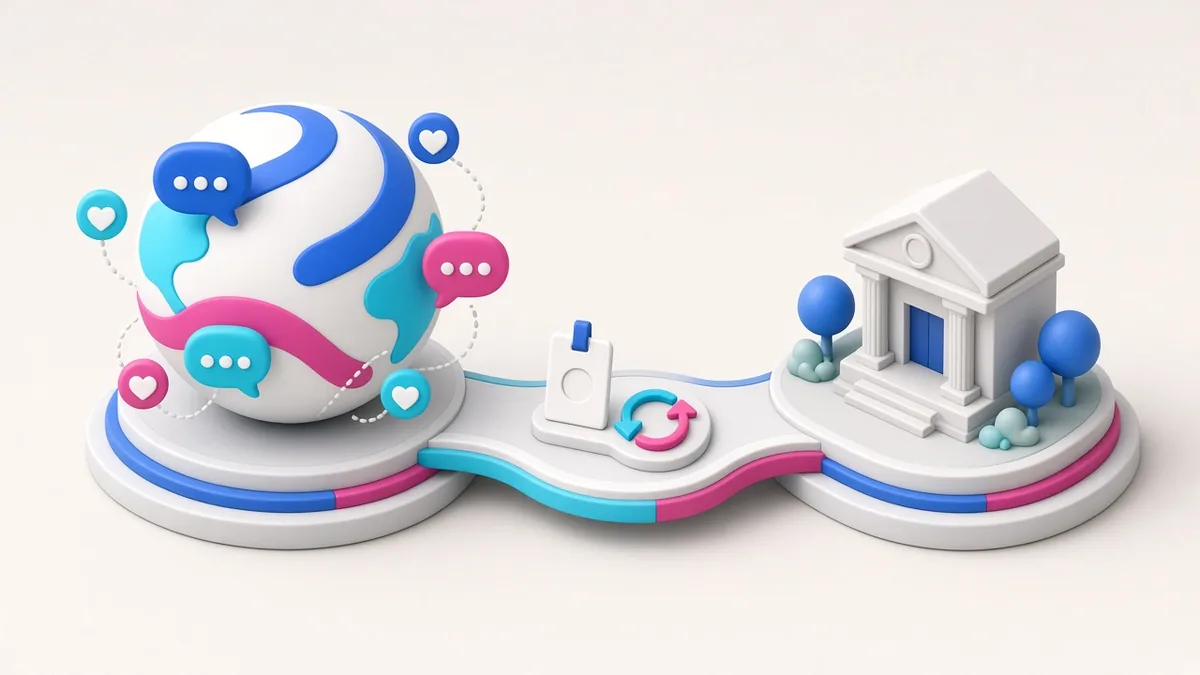
Most ServicioPro clients are not running global social networks. But many Philippine businesses now operate apps or websites where users interact: marketplaces with chat, delivery apps with rider messaging, school portals, community forums, dating or social features, and livestream selling. The same principles apply on a smaller scale.
1. Build reporting and moderation tools from day one
If users can post content or message each other, they need an easy way to report abuse, and you need an admin panel to review reports, remove content and suspend accounts. Adding these tools after a problem appears is slower and more expensive.
2. Have a named contact and a response process
Decide who in your company receives requests from authorities and users about harmful content, how quickly you respond, and how decisions are recorded. Publish a contact address for abuse reports. This is good practice even if no regulator has asked yet.
3. Protect minors
If minors may use your platform, think about age checks, default privacy settings, limits on contact from strangers and quick removal of harmful content. Google Play’s policies also now apply specific child-safety rules to anonymous and random chat apps.
4. Keep logs, but respect privacy
To cooperate with lawful requests, you need records of who did what and when. At the same time, the Data Privacy Act of 2012 requires that personal data be collected for clear purposes, protected and kept no longer than necessary. A clear retention policy balances both needs.
5. Do not depend on a single platform
If your customer community lives entirely on one third-party app, an outage or block can cut you off. Keep your own channels too: a website, an email list, SMS updates or your own app. Owning at least one direct channel to customers reduces risk.
6. Plan for outages in your own app
If your service depends on an outside platform for login, chat or notifications, plan what happens when it is unavailable. Offer alternative login methods and show clear messages instead of silent failures.
If your business uses Discord or similar platforms
Many Filipino brands, gaming shops, schools and creators run communities on Discord, Facebook Groups, Telegram or Viber. The September block lasted less than a day, but it is a useful test of how prepared you are. Consider these steps:
- Write community rules and pin them where every member can see them, including what is not allowed and how to report problems.
- Appoint moderators you trust, give them clear guidelines and make sure more than one person can act when needed.
- Use the platform’s safety settings, such as verification levels, content filters and limits on direct messages from strangers.
- Keep a backup channel, for example an announcement page on your website or an email list, so you can reach members if the main platform is unavailable.
- Know when to escalate. Threats of violence, child exploitation and serious scams should be reported to the platform and to the proper authorities, such as the CICC or the police, rather than handled only within the group.
These steps cost little, protect your members and show that your business takes safety seriously.
Questions to ask your development team
- Can users report a message, post or profile in two taps or fewer?
- Can an admin find all content from a specific account and remove it quickly?
- Do we log moderation actions, including who took them and why?
- How long do we keep chat messages and logs, and is that written in our privacy policy?
- Who is our contact for law enforcement requests, and how do we verify that a request is genuine?
- What happens to our service if a third-party platform we rely on is blocked or goes down?
The bigger picture
The Discord episode is part of a wider trend in which Philippine authorities, including the DICT, CICC and National Privacy Commission, are taking a more active role in online safety, scams and data protection. For businesses, this does not mean fear of regulation. It means building platforms responsibly: clear rules, working safety tools, honest privacy practices and a way for authorities and users to reach you. Those same qualities also build trust with customers.
Frequently asked questions
Is it illegal for my business to use Discord?
The news reports describe a regulatory block on access, not a law against using the app. If access is restricted, the practical issue is that your customers and staff may not be able to reach you there, so do not rely on it as your only channel.
Should we move our community to another platform?
Spreading your presence is safer than moving everything to one new place. Keep an email list, an official website and at least one other channel so you can reach members if a single platform becomes unavailable.
What does this mean if we run our own app with chat or user posts?
Expect regulators to ask for the same basics they asked of large platforms: a way for users to report harmful content, a named contact who answers, and records that show you acted on reports. These are much easier to build in at the start than to add after a complaint.
Does the Data Privacy Act apply to community data?
Yes. Member names, messages and contact details are personal data under Republic Act No. 10173, so handle and store them carefully.
Further reading on ServicioPro
Read our guides on app privacy compliance basics in the Philippines and how to choose a web developer in the Philippines.
References
- Philippine Daily Inquirer, “Discord vows deeper ties with PH to boost online safety,” October 7, 2026. inquirer.net
- The Manila Times, “DICT Restores Access to Discord Following Compliance with Safety Standards.” manilatimes.com
- Philippine Daily Inquirer, “Aguda stays as DICT chief – Palace,” October 7, 2026. inquirer.net