8 min read
News date: September 7, 2026 (draft circular reported). The circular was still a draft at the time of writing.
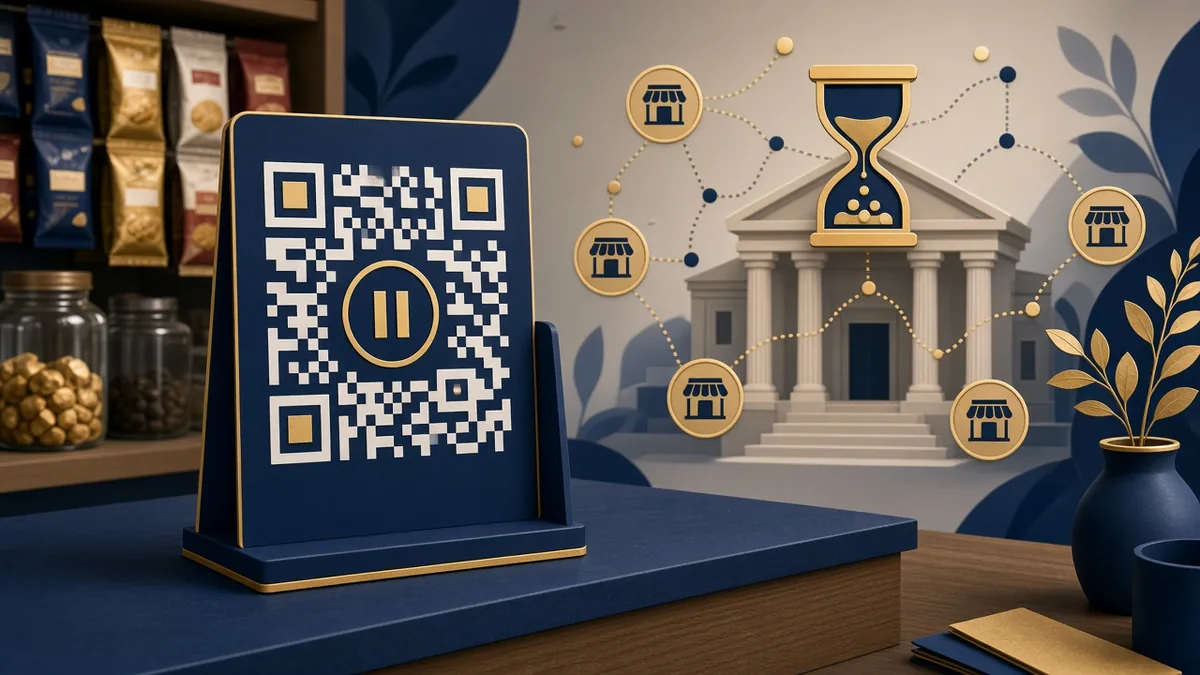
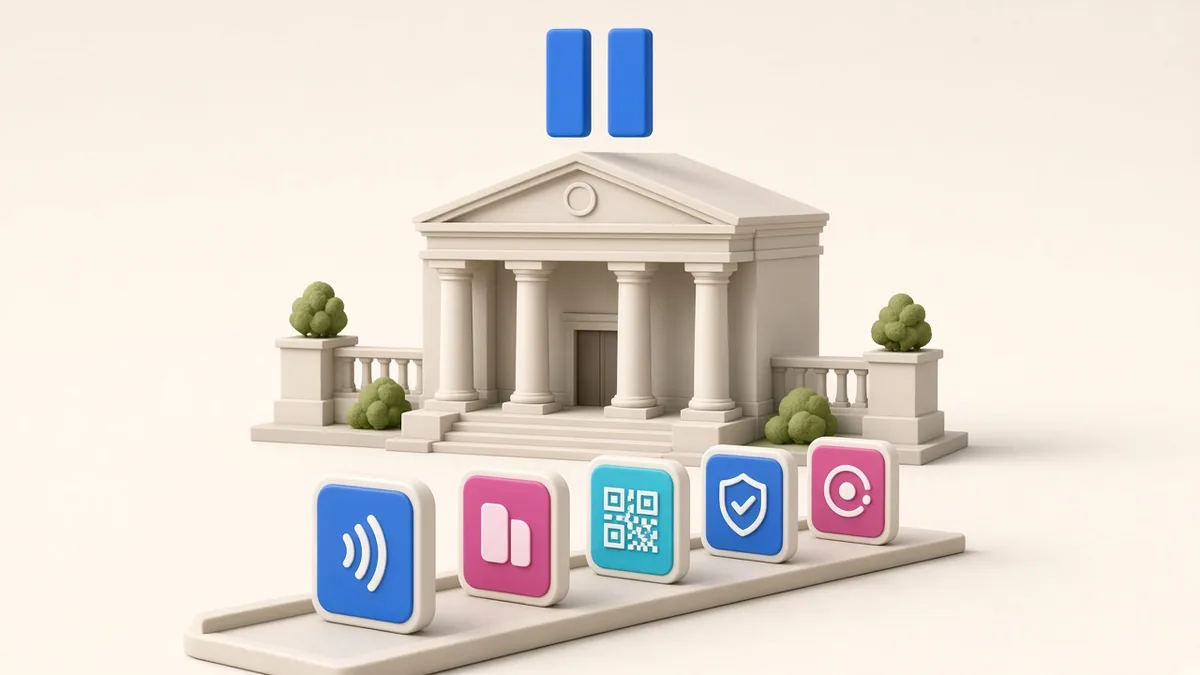
The Bangko Sentral ng Pilipinas (BSP) has proposed a 12-month suspension of new registrations for operators of payment systems (OPS), along with a National QR Code Merchant Database and stricter rules on how merchants are onboarded for digital payments. The proposals, contained in a draft circular reported on September 7, 2026 by Philstar, The Manila Times and Fintech News Philippines, aim to make merchant payments more traceable and to curb fraud and illicit transactions.
Because the circular is still a draft, its final wording may change. But the direction is clear, and it matters to every business that accepts QR, e-wallet or online payments, and to startups planning to build payment features into their apps.
What the draft proposes
1. A one-year pause on new OPS registrations
Under the draft, the BSP would suspend the acceptance and processing of applications for operators of payment systems, the entities that operate arrangements enabling payments and fund transfers. According to Philstar, the BSP said: “The suspension is being imposed to facilitate the BSP’s holistic review of the OPS taxonomy and licensing framework, including the attendant risk management and regulatory considerations.”
- The pause would run for 12 months from the circular’s effectivity. Finance Magnates reported that, if adopted, it would start 15 calendar days after the final circular is published in the Official Gazette or a newspaper of general circulation.
- Applications received before the suspension would continue to be evaluated, but none could be approved or denied until the suspension is lifted.
- During the pause, entities could not begin activities that require registration unless otherwise authorised by the BSP under existing regulations.
2. A National QR Code Merchant Database
The draft proposes a centralised database of merchants that accept payments through the national QR code standard. According to Fintech News Philippines, it would consolidate merchant identities, registration details and risk classifications. Philstar reported the proposed timeline:
- An interim secure merchant information repository within 90 calendar days of effectivity.
- The full database operational within 12 months.
- All active merchant records migrated and validated within 15 months.
3. Tighter rules on “layered” merchant arrangements
The draft also targets payment arrangements where intermediaries, such as aggregators, platforms or pooled accounts, sit between financial institutions and the actual seller. Fintech News Philippines, citing BusinessWorld, reported that BSP-supervised institutions would have to identify the actual merchant behind a payment and the party ultimately entitled to receive the proceeds. Certain high-risk businesses, including casinos, gambling operators, virtual asset service providers and remittance companies, could only be onboarded through direct arrangements, with closer monitoring and transaction limits proportional to their risk. Existing layered arrangements would be given time to review merchant relationships and address deficiencies.
Why the BSP is doing this
Digital payments have grown rapidly in the Philippines, and the payments chain has become more complex, with merchant aggregators, platforms and shared QR channels between the bank or e-wallet and the seller. Finance Magnates noted that this complexity can blur responsibility for compliance. When it is unclear who the real merchant is, it becomes harder to trace scams, money laundering and other illicit flows. The draft aims to make each party in the chain identifiable and accountable.
The move fits a broader pattern. Startup.ph noted that the BSP had earlier in 2026 tightened its approach to virtual asset service providers. The OPS proposal reaches further, because the OPS category covers e-wallets, payment gateways and other conventional payment operators.
What this means for Philippine businesses
For merchants accepting QR payments
If you accept QR Ph payments through a bank, e-wallet or payment provider, expect more thorough “know your merchant” checks. Practical steps:
- Keep your business registration (DTI or SEC), mayor’s permit and BIR documents current and consistent.
- Make sure the business name on your QR account matches your registered business name and your website.
- Respond promptly if your payment provider asks you to update your information. Accounts with incomplete details may face limits.
- Avoid using a personal e-wallet QR code for business sales. A proper merchant account is more professional and easier to keep compliant.
For online stores and service businesses
If your website or app accepts payments through a gateway, nothing changes overnight. Licensed payment gateways remain the right way to accept GCash, Maya, cards and bank transfers. Choose established providers that are registered with the BSP, and keep your merchant profile accurate. If you sell through a marketplace or aggregator, ask how they plan to comply with the proposed rules.
For startups building payment features
This is where the draft could have the biggest impact. If your business plan requires your own OPS registration, for example a new wallet, a payment aggregator or a platform that holds and settles funds for merchants, a 12-month pause could delay your launch significantly. Options to discuss with legal and financial advisers include:
- Partnering with an existing licensed provider instead of seeking your own registration, and designing your app to integrate with their API.
- Avoiding holding customer funds unless necessary. Many marketplaces and booking platforms can let a licensed payment provider handle collection and settlement directly.
- Reviewing pooled-account and sub-merchant structures that may fall under the stricter rules on layered arrangements.
For developers
Technical teams should expect more data to be required at merchant onboarding, such as verified business details and beneficial owner information, and more emphasis on traceability. Systems that record who the real merchant is for every transaction, and keep clear audit trails, will be easier to keep compliant.
Designing payment flows that will last
Regulations change, but some design choices hold up well under any regime:
- Use licensed payment gateways rather than informal arrangements.
- Keep accurate records linking every transaction to the correct merchant and order.
- Show customers clear receipts with the registered business name.
- Build refund and dispute handling into your admin panel.
- Store as little payment data as possible; let the gateway handle card details.
Frequently asked questions
Is the freeze already in effect?
Not as of the reports cited here. The proposals were in a draft circular. If finalised as drafted, the suspension would start 15 days after publication. Check the BSP’s website for the final version.
Will I still be able to accept GCash or Maya on my website?
The draft concerns new OPS registrations and merchant onboarding rules. It does not stop existing registered providers from serving merchants. Businesses that accept payments through established, registered providers should be able to continue, though they may be asked for more information about their business.
I sell through a marketplace. Does this affect me?
Possibly indirectly. Marketplaces and aggregators that collect payments on behalf of sellers are a focus of the rules on layered arrangements. Your platform may ask you to submit or confirm business documents so it can identify you as the actual merchant.
What about small sari-sari stores using QR codes?
The proposed National QR Code Merchant Database would cover merchants accepting payments through the national QR standard. Exactly how small merchants will be registered depends on the final rules and on each bank or e-wallet’s implementation. Keeping basic business documents ready is a sensible first step.
What to watch next
The key questions are whether the BSP finalises the circular, what changes it makes after consultation, and whether any exceptions or fast-track processes are added. Startup.ph pointed out that the draft did not describe a fast-track or exception process. Watch for the final circular from the BSP and announcements from your payment provider.
For most small businesses the practical message is simple: keep your registration documents in order, use proper merchant accounts and work with registered payment providers. Doing these things now means any new verification requirements will be routine rather than disruptive.
Practical steps for merchants accepting QR payments
While the draft rules are still under consultation, merchants can take steps that make sense whatever the final version says:
- Keep business records consistent. Make sure the business name, address and registration details on your payment provider accounts match your DTI or SEC and BIR records. Mismatches are a common reason for account reviews.
- Use the official QR Ph code from your provider. Avoid printing personal e-wallet QR codes for business sales. A proper merchant account gives you transaction records and clearer support when there is a dispute.
- Have more than one way to get paid. If one account is frozen during a review, a second provider or a bank transfer option keeps sales moving.
- Reconcile daily. Match payments to orders every day so you can quickly answer a provider’s questions about a transaction.
- Save customer receipts. Clear order confirmations help show that a payment came from a genuine sale.
For online stores, building these records into your website or app, with order IDs that link to payment references, saves hours of manual work if a provider ever asks for proof.
Further reading on ServicioPro
For background on online sales, read our guides on how much a website costs in the Philippines and mobile app development costs.
References
- Philstar.com, “BSP plans pause on new payment system operators,” September 7, 2026. philstar.com
- The Manila Times, “Centralized database eyed for QR merchants,” September 7, 2026. manilatimes.net
- Fintech News Philippines, “BSP Plans 12-Month Pause on New Payment Operator Registrations,” September 7, 2026. fintechnews.ph
- Finance Magnates, “Philippines Plans 12-Month Freeze on New Payment System Operator Registrations.” financemagnates.com
This article is general information, not legal or financial advice.